
How to Store Seasonal Clothes Efficiently: Best Tips and Tricks

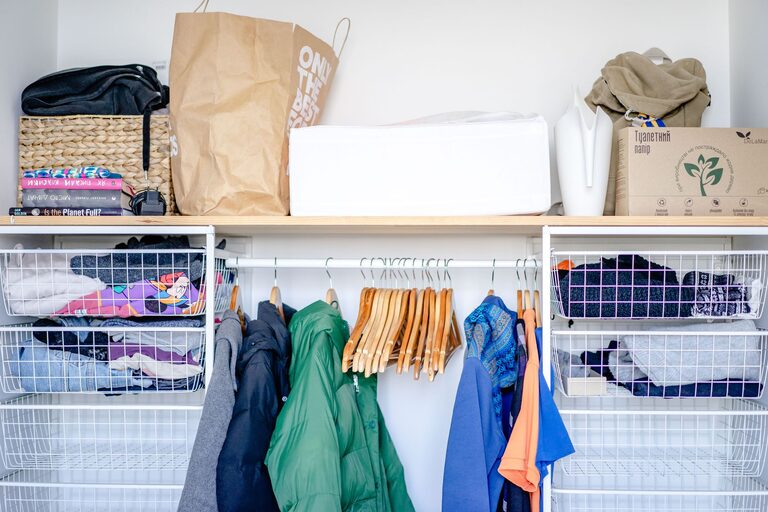
Storing seasonal clothes efficiently can make a big difference in maintaining an organized wardrobe and saving valuable space. Whether you’re switching out summer tees for cozy sweaters or packing away winter coats until next year, proper storage helps protect your clothes and makes the transition between seasons much easier. In this post, we’ll explore practical tips and smart solutions to store your seasonal clothing in a way that keeps them fresh, accessible, and wrinkle-free.
Why Proper Storage Matters
When clothes aren’t stored correctly, they can suffer from issues like fading, stretching, wrinkling, or even damage from pests and moisture. Efficient storage keeps your garments in good condition, making them last longer and look better when you bring them out again. Additionally, organized storage saves time by making it simple to find what you need without digging through piles of clothes.
Preparing Your Clothes for Storage
Before packing away your seasonal clothes, it’s important to prepare them properly. Here’s how:
Wash and Dry Thoroughly
Always clean your clothes before storing them. Dirt, sweat, and oils can attract pests like moths and cause stains to set permanently. Follow the care label instructions to wash and dry each item thoroughly. Ensure everything is completely dry to avoid mold and mildew growth.
Repair and Sort
Check for any damage such as loose buttons, broken zippers, or small tears and repair them before storing. Sort clothes by type, size, or how often you use them to make retrieval easier next season.
Remove Stains
Treat and remove any stains so they don’t worsen or become permanent during storage.
Choosing the Right Storage Solutions
Selecting the appropriate storage containers and methods depends on the type of clothing and the space you have available. Here are some options:
Storage Bins and Boxes
Plastic storage bins with tight-fitting lids are excellent for protecting clothes from dust, moisture, and pests. Choose clear bins if you want to easily see what’s inside, or label opaque bins clearly.
Vacuum Storage Bags
Vacuum-sealed bags compress bulky items like winter coats or blankets, saving significant space. However, avoid using them for delicate fabrics that may get crushed or lose shape.
Garment Bags and Hanging Storage
For items prone to wrinkles like dresses or tailored jackets, use breathable garment bags and hang them in a closet or a spare room. Avoid plastic garment bags which can trap moisture.
Under-Bed Storage
Utilize the space under your bed for flat storage bins or rolling drawers. This is ideal for lighter clothing or items you want to access more frequently.
Shelving and Drawers
Dedicated shelves or drawer organizers help keep folded clothes neat and accessible.
Tips for Efficiently Packing Clothes
How you fold or pack your clothes also impacts space and preservation. Consider these techniques:
– Rolling Clothes: Rolling instead of folding can save space and reduce creases.
– Folding Neatly: Use uniform folding methods to stack clothes tidily.
– Layering with Tissue Paper: Place tissue paper between delicate items to prevent friction.
– Using Dividers: Drawer dividers or packing cubes can keep items separated and organized.
Keep Clothes Fresh and Protected
To maintain freshness and ward off pests, incorporate these strategies into your storage routine:
– Use Cedar or Lavender: Natural moth repellents like cedar blocks or lavender sachets absorb moisture and deter insects.
– Avoid Plastic Bags: Don’t store clothes in plastic grocery bags, as they trap moisture and can cause mildew.
– Air Out Periodically: If possible, take clothes out of storage and air them every few months.
– Maintain a Cool, Dry Place: Store clothes in a climate-controlled environment away from direct sunlight.
Seasonal Storage Plan
Having a clear plan for rotating your wardrobe can simplify the process:
- **End-of-Season Review:** At the end of each season, review your clothes and donate or discard items you no longer wear.
- **Sort and Categorize:** Group items by season and type before packing away.
- **Designate Storage Areas:** Assign specific bins or shelves for each season’s clothing.
- **Label Everything:** Clear labeling prevents confusion and speeds up seasonal swaps.
Final Thoughts
Efficiently storing seasonal clothes doesn’t have to be complicated. With a little planning and the right techniques, you can protect your garments, save space, and keep your wardrobe organized throughout the year. Try out these tips, and enjoy easier transitions between seasons with clothes that look and feel great every time you pull them out.
Happy organizing!