
Simple Ways to Reduce Noise at Home for a Calmer Space

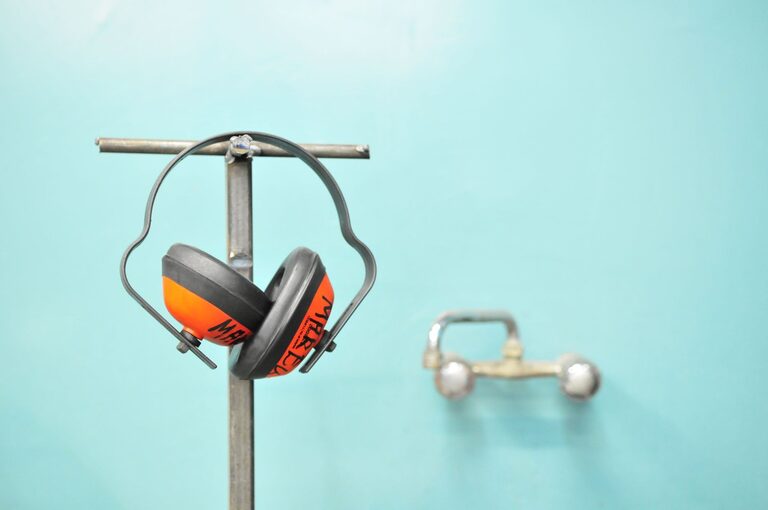
Creating a calm and quiet home environment is essential for relaxation, productivity, and overall well-being. Whether you live in a busy urban area or a noisy neighborhood, there are several simple ways to reduce unwanted noise indoors. This guide covers practical, cost-effective tips to help you create a more peaceful space without the need for major renovations.
Why Reduce Noise at Home?
Noise pollution can increase stress levels, disrupt sleep, and make it difficult to concentrate. By implementing noise reduction strategies, you can improve your quality of life, enjoy restful sleep, and create a more comfortable atmosphere for your family.
Identify Common Sources of Noise
Before you start, it helps to identify where the noise is coming from:
– Traffic or street noise through windows and doors
– Loud neighbors or shared walls in apartments
– Household appliances and electronics
– Footsteps or voices in adjacent rooms or floors
– Outdoor sounds like lawnmowers, pets, or children playing
Once you know the sources, you can choose the most effective methods to address them.
Easy Steps to Reduce Noise at Home
1. Use Soft Furnishings to Absorb Sound
Hard surfaces reflect sound waves, which can increase noise levels. Incorporating soft materials helps absorb sound:
– Rugs and Carpets: Place rugs on hardwood or tile floors to reduce noise created by footsteps.
– Curtains and Drapes: Thick, heavy curtains can block outside noise and absorb echoes inside rooms.
– Pillows and Upholstered Furniture: Add cushions and soft chairs or sofas to minimize sound reflection.
2. Seal Gaps Around Doors and Windows
Noise easily enters through small gaps and cracks. Prevent sound leakage by:
– Installing weatherstripping around doors and windows.
– Using door sweeps to close space beneath doors.
– Applying acoustic sealant or caulk on window frames.
These simple fixes make a significant difference in reducing outdoor noise.
3. Add Soundproofing Materials
For a more targeted approach, consider adding soundproofing products:
– Acoustic Panels: Mount foam or fabric-wrapped panels on walls to absorb sound waves.
– Soundproof Curtains: These are specially designed to block noise more than regular drapes.
– Door and Window Inserts: Secondary glazing or acrylic inserts improve insulation against noise.
4. Rearrange Furniture Strategically
Furniture placement can act as a barrier to sound:
– Position large bookshelves or wardrobes against walls shared with noisy neighbors.
– Place sofas and chairs away from noisy windows or doors.
– Use room dividers with sound-absorbing properties if you have an open floor plan.
5. Control Indoor Noise Sources
Reducing noise inside your home is just as important:
– Use quieter appliances or maintain existing ones to prevent rattling.
– Place washers, dryers, and HVAC units on vibration-absorbing mats.
– Encourage family members to use headphones when listening to music or watching TV.
6. Incorporate White Noise or Natural Sounds
Sometimes masking unwanted noise is effective:
– Use a white noise machine or fan to create consistent background sound.
– Play nature sounds like rain, wind, or ocean waves through speakers—these soothing sounds can help distract from disruptive noise.
DIY Soundproofing Projects
If you enjoy home projects, here are some hands-on options:
– DIY Door Seal: Use weatherstripping kits to custom-fit door seals.
– Window Plugs: Create removable foam inserts to place inside window frames for temporary noise reduction.
– Wall Hangings: Hang tapestries or quilts to add a layer of sound absorption.
When to Consider Professional Help
For persistent or severe noise problems, professional soundproofing may be necessary. Experts can:
– Evaluate your home’s unique sound issues.
– Recommend materials like mass-loaded vinyl or specialized insulation.
– Install soundproof windows or doors.
These solutions may require a larger budget but offer long-term noise control.
Final Thoughts
Reducing noise at home doesn’t have to be complicated or expensive. By making thoughtful adjustments—like adding soft furnishings, sealing gaps, and rearranging furniture—you can create a quieter, more comfortable living space. Start with the easiest options and see how much difference they make. A peaceful home is well within reach with these simple noise-reduction strategies.